

Flooding, rapid urbanisation drive water-borne disease burden in Telangana, AP
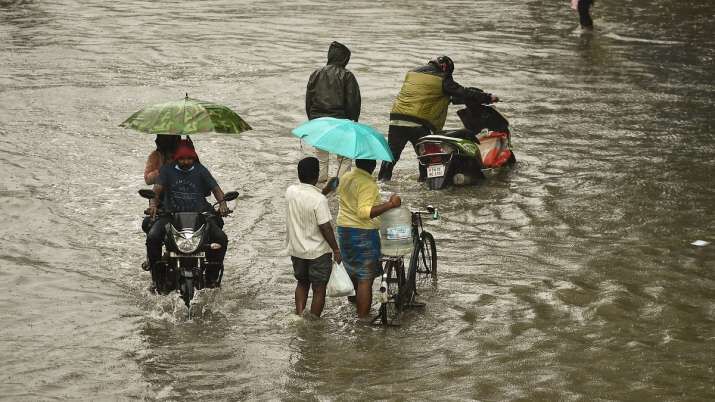
Hyderabad: Prevalence of high incidence of water-borne diseases in Telangana and Andhra Pradesh posed a public health challenge due to flooding, over-extraction of groundwater and rapid urbanisation.
The data was presented in the Rajya Sabha by Minister of State for Health and Family Welfare Prataprao Jadhav on February 3.
Mixing of sewage water with drinking water
Both Andhra Pradesh and Telangana suffer from the double burden of acute diarrheal diseases as the rainwater floods rivers and lakes. The biggest challenge due to rapid urbanisation is the mixing of sewage water with drinking water, leading to the outbreak of diarrhoea.
Hyderabad and Visakhapatnam are among the cities that face high urban stress.
Both states share a common border and the flood-prone Godavari belt, but their health profiles show distinct differences. The data details for the two states show:
– Andhra Pradesh is the second-highest in the country for diarrhoea cases
– Telangana and Andhra Pradesh have dominant diseases of diarrhoea, typhoid and hepatitis.
Diarrhoea cases:
Andhra Pradesh recorded total cases: 394774, of which 1,54,834 cases are of typhoid.
Telangana recorded total cases: 329545, of which 64,271 cases are of typhoid.
Leptospirosis:
Andhra Pradesh recorded 3,470 cases
Telangana recorded 669 cases
Cholera cases:
Andhra Pradesh recorded 24 cases.
Telangana recorded 6 cases.
Fatality numbers in Telangana and Andhra Pradesh is lower due to aggressive urban health camps and regular intervention by the health department of both states.
Why these states?
Health officials identify three core reasons why these diseases refuse to fade:
1. Monsoon Vulnerability: In 2022 and 2023, record-breaking floods in north Telangana and the Godavari region of AP overwhelmed drainage systems, forcing governments to set up thousands of emergency health camps.
2. Over-Extraction: As the water table drops, mineral concentrations like fluoride and nitrate rise. This is an ‘anthropogenic’ or human-caused influence resulting from excessive borewell usage for agriculture.
3. Urban Pressure: Overcrowding in cities like Hyderabad and Visakhapatnam puts immense pressure on sanitation, increasing the risk of ‘faecal-oral’ transmission.
What comes next?
The Ministry of Health and Family Welfare has issued a clear directive: the only long-term solution is a total transition to surface-water-based piped supply, such as the Mission Bhagiratha model.
In a reply, the Minister of State for Health and Family Welfare, Prataprao Jadhav, expressed that prevention is the way forward.
The health departments have to create awareness for preventing water-borne diseases and safe water practices. There are guidelines issued by the Central government for flood management to prevent the outbreak of diseases.
Source link
